November 24, 2026
Discovering a fresh crease or ding on your vehicle after returning to a crowded parking lot is always frustrating. Many motorists immediately assume that any noticeable damage requires cutting off the affected metal and ordering an expensive factory replacement. Fortunately, modern collision restoration offers several reliable alternatives that preserve your original factory components while keeping costs manageable. Understanding how skilled technicians reshape damaged steel and aluminum helps you make informed decisions after minor fender benders or hailstorms. Knowing what separates a straightforward fix from a full replacement empowers drivers to protect their vehicle's appearance, structural integrity, and long-term resale value.
Evaluating the Severity of Surface Damage Before Choosing Repairs
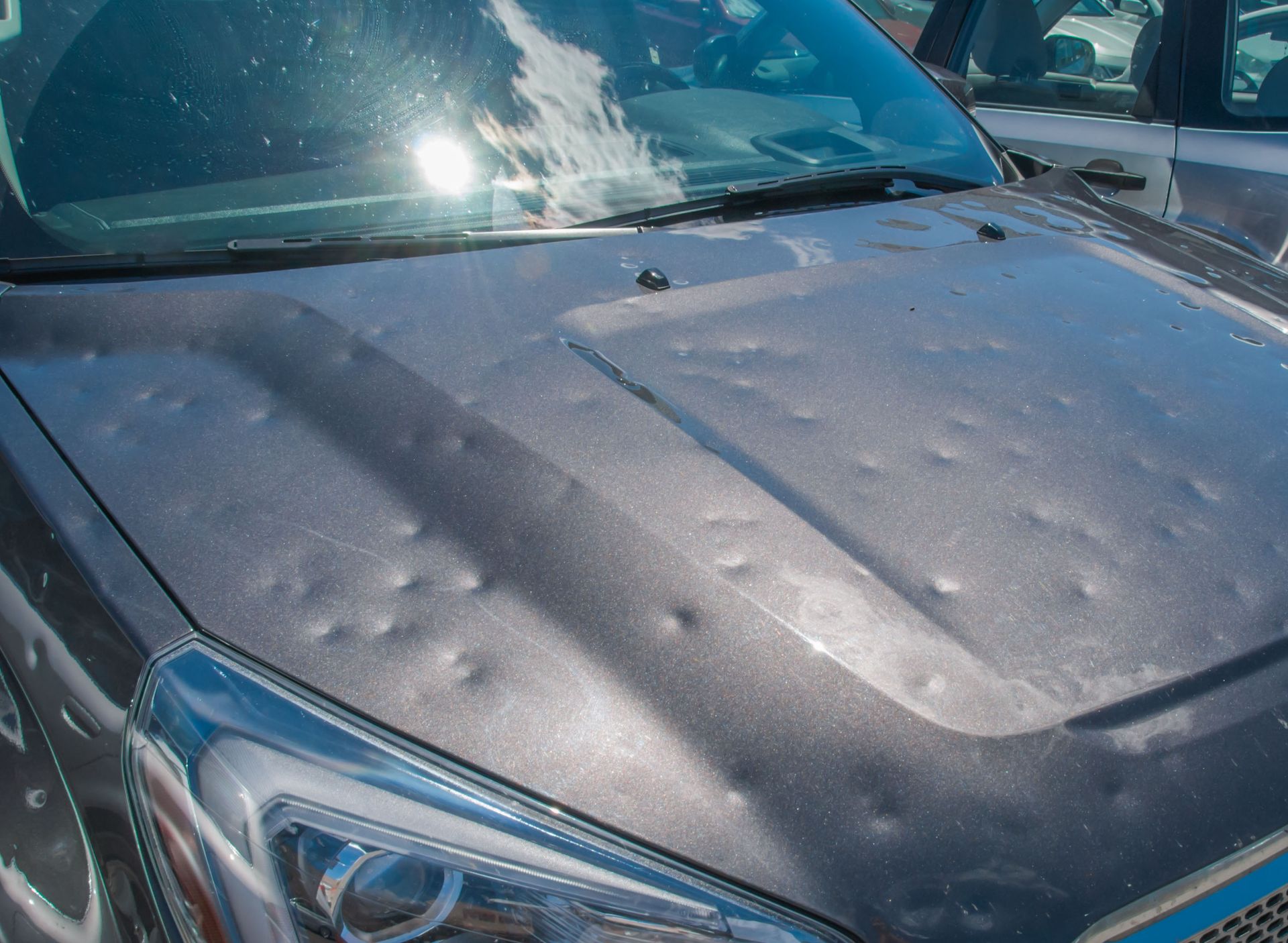
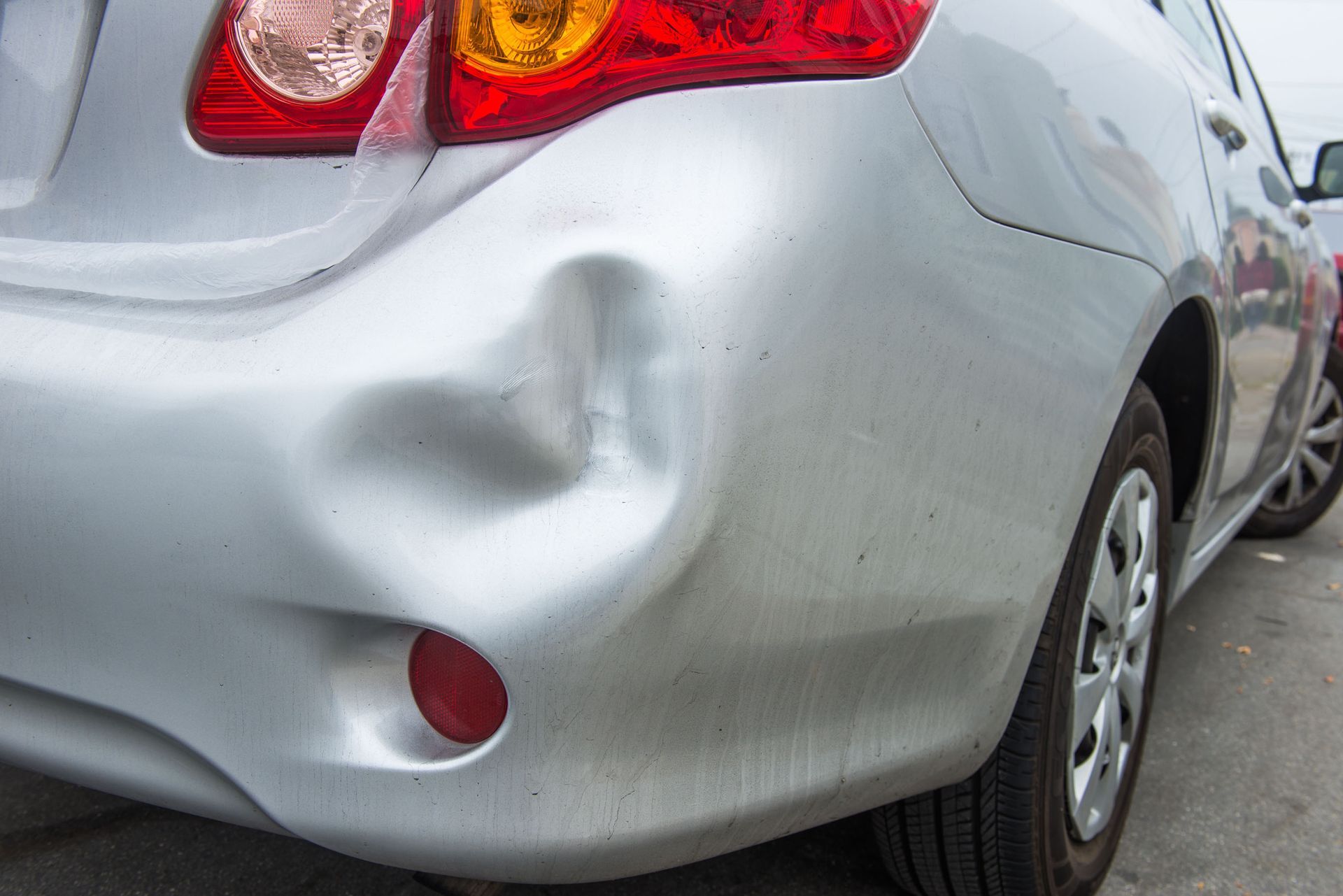
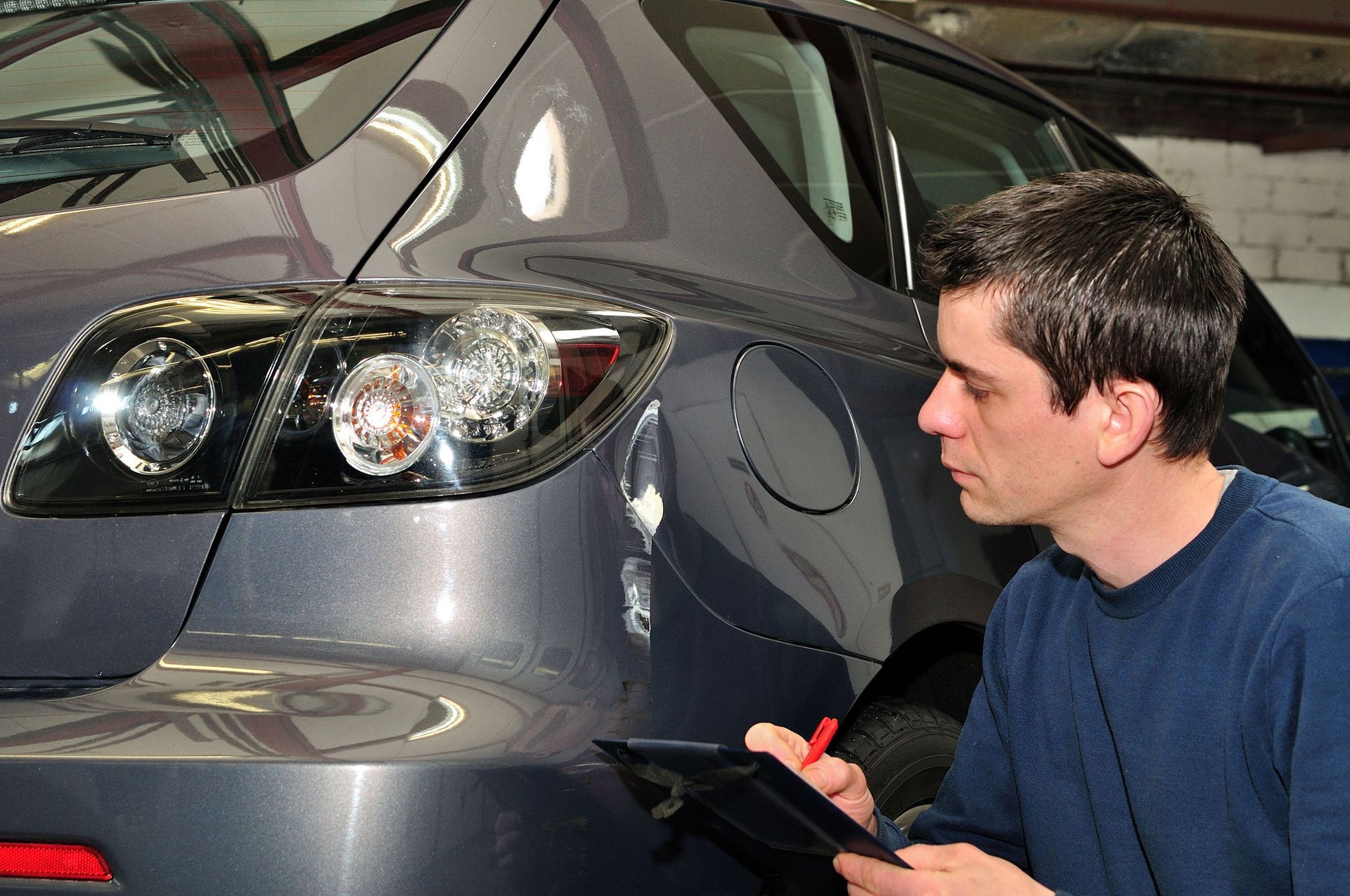
Determining whether your existing panel can be salvaged begins with a close visual inspection of the deformed area. Shallow depressions, round hail impacts, and gentle door dings typically leave the underlying metal structure intact enough for restoration. Conversely, deep gashes, torn sheet metal, or severe crumpling along structural pillars usually compromise crash safety and demand complete panel replacement. Technicians also examine whether the impact stretched the metal beyond its natural elastic memory, which makes smooth reshaping significantly harder. By assessing depth, diameter, and structural proximity early, specialists quickly identify whether preserving your original body panel remains a safe, practical option.
Inspecting Factory Paint Integrity to Prevent Future Rust Issues
The condition of your vehicle's clear coat and base paint plays a decisive role in selecting the right restoration strategy. When an impact leaves the finish completely unbroken, specialists can often massage the metal back into place without sanding or repainting. However, if rocks, sharp edges, or heavy collisions crack, chip, or scrape away the protective paint layers, exposed metal becomes vulnerable to moisture and corrosion. Even when the panel itself remains structurally sound, broken paint requires traditional sanding, priming, and color-matching to seal the surface properly. Checking for hairline fractures around the crease ensures hidden rust never develops later.
Restoring Minor Creases Through Paintless Dent Repair Techniques
For unblemished paint and moderate depressions, technicians frequently rely on specialized metal rods and knockdown tools to gently push damage out from behind the panel. This meticulous craft restores factory contours without body fillers, sanding dust, or fresh paint coats. According to Intent Market Research, the paintless dent repair service is expected to surpass USD 6.8 billion by 2030. Drivers increasingly favor this approach because it preserves original factory finishes while finishing within hours rather than days. When performed by experienced hands, the repaired area blends invisibly with surrounding surfaces under bright sunlight.
Applying Traditional Body Filler for Deeper Panel Imperfections
When a dent features sharp creases or stretched metal that cannot be massaged completely flat, conventional bodywork offers a dependable solution without replacing the entire panel. Technicians first pull the deepest sections outward using specialized stud welders and slide hammers to restore approximate contours. Next, they apply a thin layer of automotive-grade body filler, sanding it smooth until the surface matches surrounding factory curves seamlessly. Primer and computerized color-matched paint finish the process, hiding every trace of the original impact. Choosing traditional dent repair saves substantial money over full replacement while delivering durable, showroom-quality results.
Accessing Tight Spaces Behind Doors and Quarter Panels
A panel's location on your vehicle heavily influences how easily technicians can reach the backside of a dent. Open areas like hoods, roofs, and center door skins usually allow straightforward tool access after removing simple interior trim pieces or tail lights. However, impacts located directly over double-walled reinforcement beams, welded seam edges, or tight wheel arches restrict standard behind-the-panel leverage. In these confined spots, specialists often utilize precision glue-pulling tabs attached to the exterior paint surface to lift sunken metal outward safely. Modern dent repair tools enable skilled professionals to rescue panels once considered completely inaccessible.
Comparing Aluminum and Steel Panel Repairability on Modern Vehicles
Today's automakers frequently use lightweight aluminum hoods, doors, and fenders alongside traditional high-strength steel to boost fuel efficiency. While both metals can be repaired without full panel replacement, aluminum behaves quite differently under pressure and demands specialized training. Aluminum possesses less natural flexibility than steel and hardens rapidly when bent, meaning technicians must apply controlled heat to prevent cracking during reshaping. Furthermore, shops must isolate aluminum tools from steel dust to avoid galvanic corrosion. Understanding your vehicle's specific metal composition helps explain why certain dent repair procedures require dedicated equipment and certified expertise.
Calculating Cost Savings Between Panel Restoration and Full Replacement
Ordering a brand-new factory body panel involves far more than just the price of stamped sheet metal. Full replacement requires disassembling adjacent trim, transferring internal wiring or window regulators, aligning panel gaps, and painting neighboring panels to blend colors seamlessly. Those labor-intensive steps quickly drive repair bills into thousands of dollars while leaving vehicles stuck in shops for weeks. By contrast, targeted dent repair focuses strictly on the damaged zone, eliminating expensive parts markups and extensive disassembly labor. Drivers routinely save fifty to seventy percent by salvaging their existing panel instead of paying for full replacement.
Preserving Vehicle Resale Value by Keeping Original Factory Parts
Used car buyers and dealership appraisers routinely inspect VIN stickers on doors, hoods, and fenders to verify whether a vehicle retains its original body panels. Replacing a damaged panel with an aftermarket or even OEM part leaves behind tool marks on hinge bolts and breaks factory seam sealers. Those telltale signs often trigger lower trade-in offers, even when the collision was minor. Opting for professional dent repair keeps all factory VIN tags, original corrosion coatings, and manufacturer welds completely intact. Maintaining original sheet metal protects your car's documented history and maximizes resale value down the road.
Recognizing When Complete Panel Replacement Remains the Safest Choice
Despite impressive advances in metal reshaping, certain types of collision damage simply cannot be safely repaired on existing panels. Severe impacts that kink structural crumple zones, buckle door frames, or tear metal edges compromise how your vehicle absorbs energy during future accidents. Additionally, when the labor hours required to hammer, fill, and refinish extensive damage exceed the cost of a new panel, replacement becomes the smarter financial move. Reputable collision centers prioritize passenger safety over shortcuts, recommending new factory panels whenever structural integrity or crash performance hangs in the balance.
Choosing Qualified Collision Technicians for Lasting Restoration Results
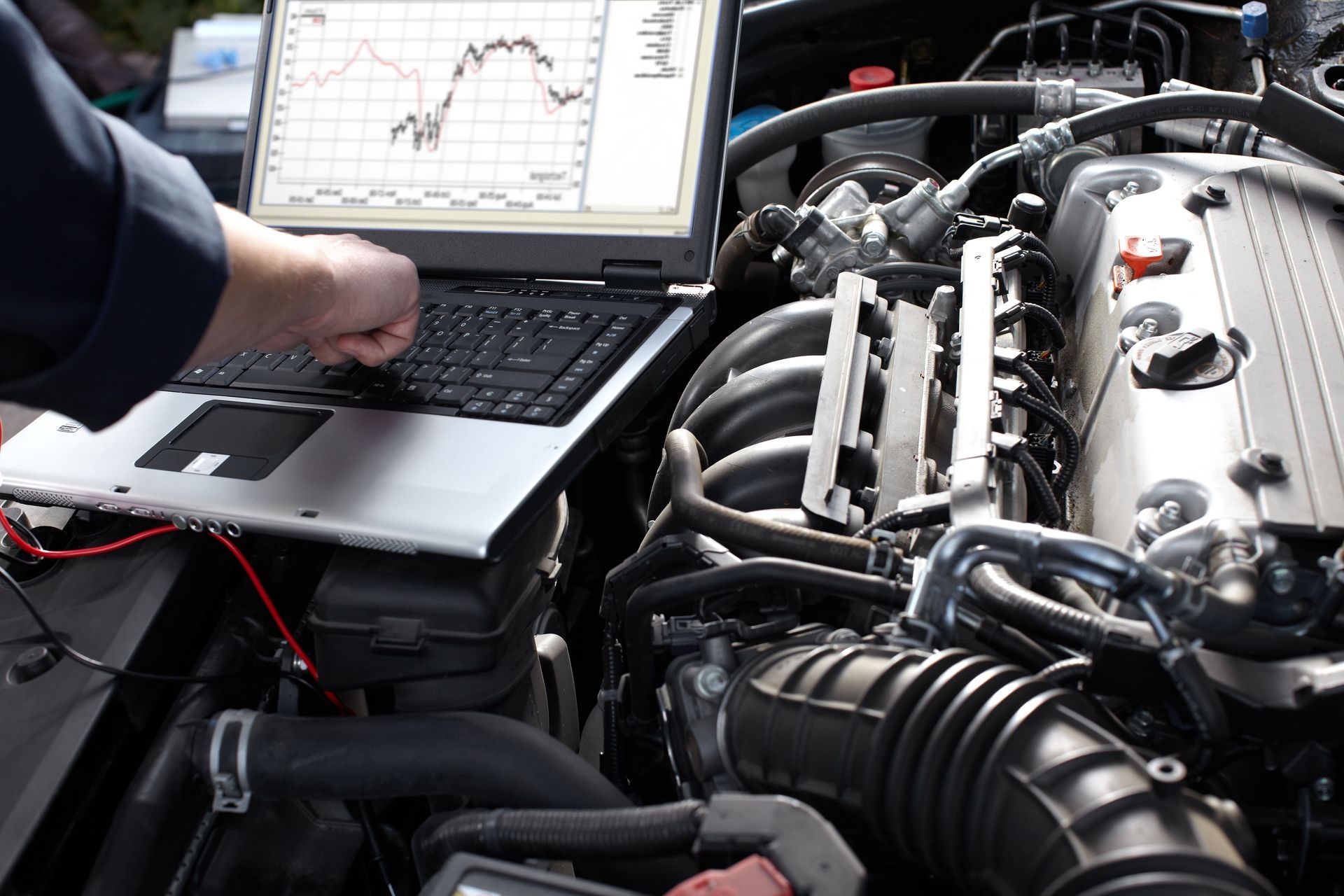
Achieving an invisible finish without replacing your body panel depends heavily on the skill, lighting setups, and diagnostic honesty of your chosen repair facility. Experienced specialists inspect vehicles under specialized reflection boards that reveal tiny high and low spots invisible to the naked eye. Asking to see before-and-after photos of similar repairs, verifying technician certifications, and requesting written workmanship warranties help ensure quality results. Taking time to consult knowledgeable professionals prevents botched DIY attempts from stretching metal further, giving your vehicle the best chance at a clean, lasting recovery.
Discovering a dent on your vehicle rarely means facing the expense and hassle of replacing an entire body panel. From paintless reshaping techniques to precision glue pulling and traditional refinishing, modern collision specialists can rescue most damaged steel and aluminum components safely. Evaluating paint condition, dent depth, and structural location helps determine the smartest path forward while saving substantial money and turnaround time. Keeping your original factory panels intact also preserves manufacturer corrosion protection and stronger resale value. Consulting a qualified technician promptly after an impact ensures your vehicle returns to the road looking sharp and structurally sound.
Are you seeking professional dent repair services in Mecklenburg County, NC, and the surrounding areas? Dentsmart of the Carolinas prides itself on restoring your vehicle to its proper form! Contact us today to schedule an appointment for your vehicle's dent issues.